Twelve articles on medication, sleep, hydration, hearing, falls, exercise and staying connected — each one footnoted to the National Institute on Aging, the CDC, the NIDCD and the national statistics that sit behind them.
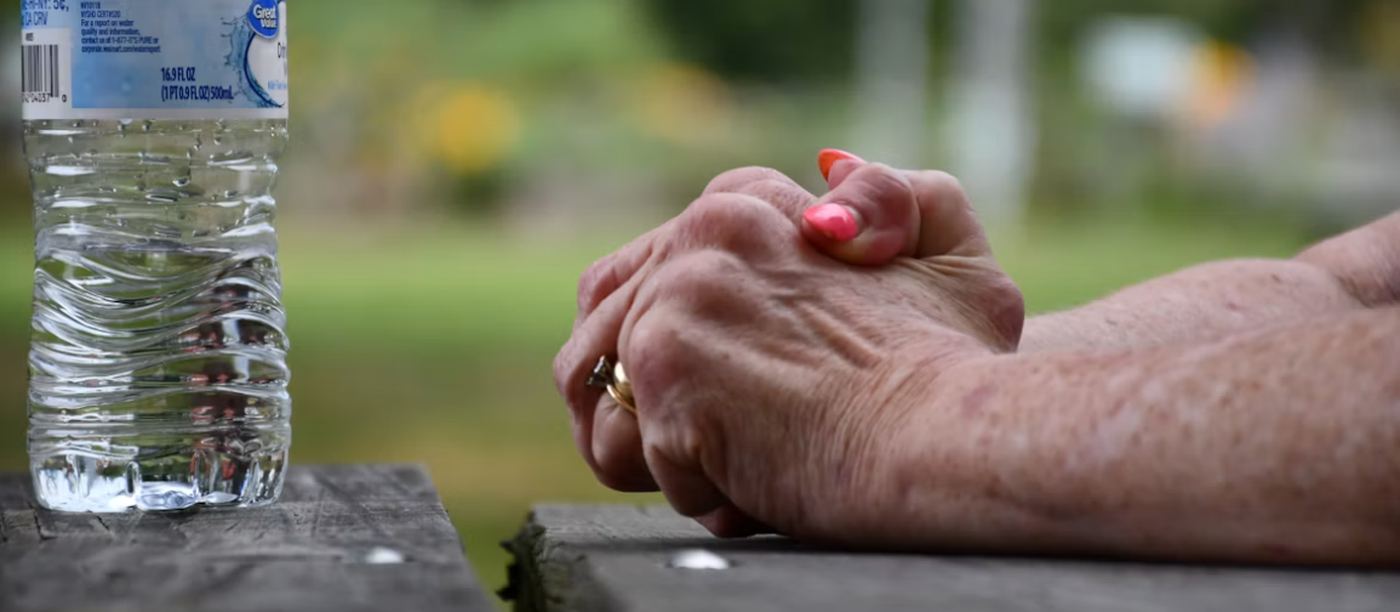 Daily LivingThirst Fades Before the Need Does: Hydration After 65The signal that tells you to drink gets quieter with age, while the body’s margin for error gets narrower. Both things happen at once, and neither announces itself.6 min read →
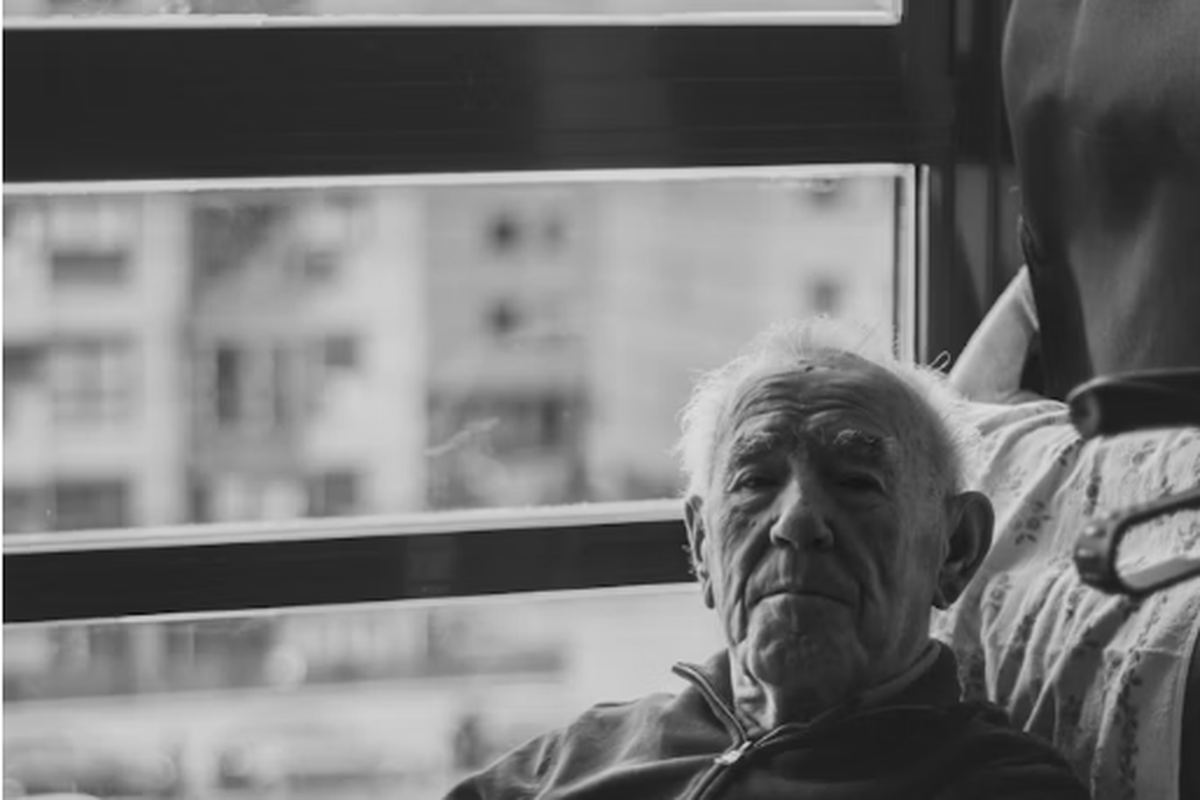 Health & AgingWhat Actually Changes About Sleep After 60 — And What Doesn’tThe need does not shrink. The architecture does. Confusing those two things is how a normal shift in sleep timing turns into years of unnecessary worry, or an untreated problem gets waved away as age.6 min read →
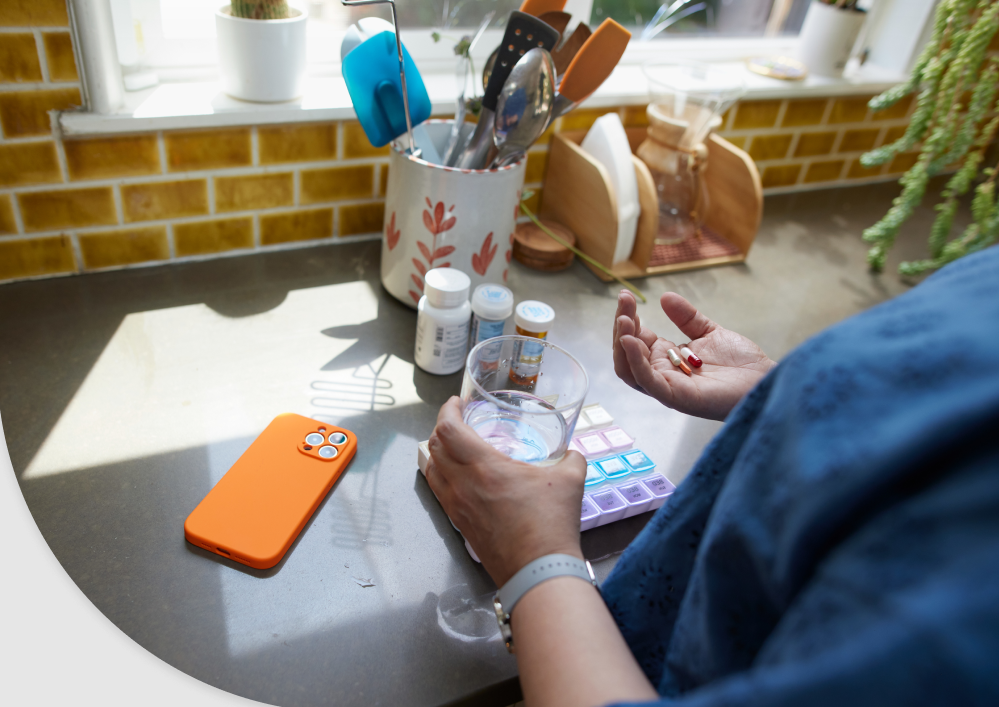 Daily LivingWhy Medication Routines Become Harder With Age — And What Actually Makes Them EasierAlmost nine in ten adults over 65 take prescription medication. Once the list reaches four or five, the difficulty is rarely the medicine itself. It is the schedule.6 min read →
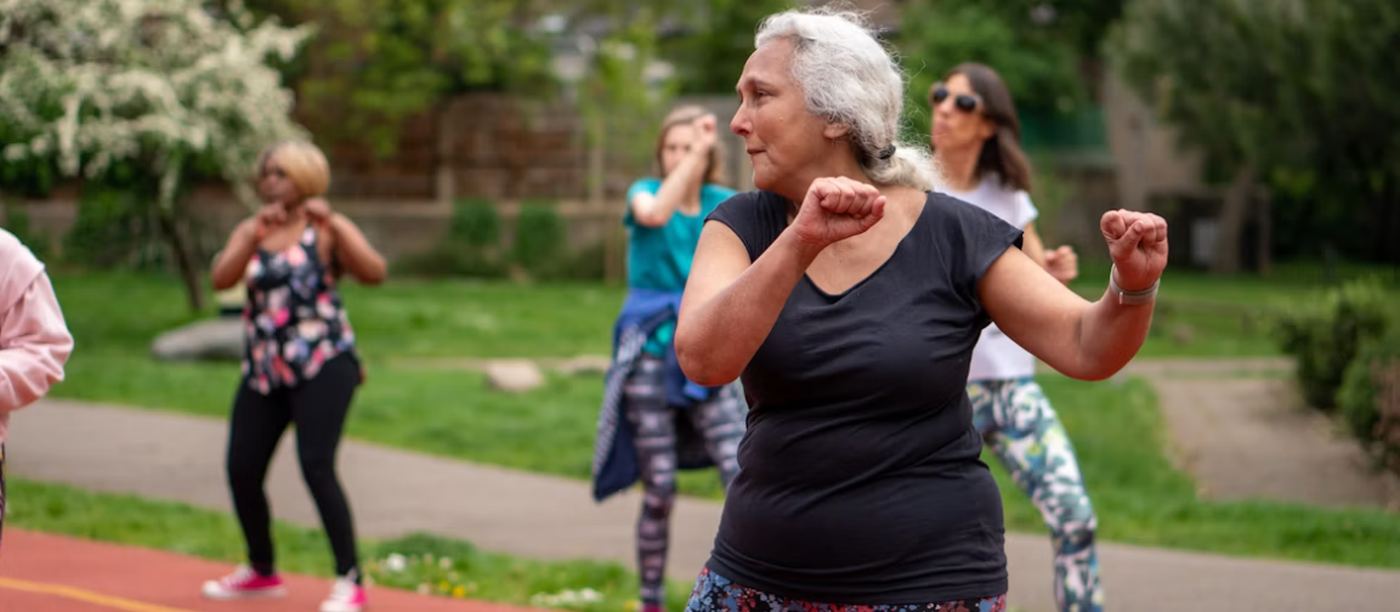 WellnessThe Three Kinds of Movement That Keep People Living at HomeMost people who exercise pick one thing and stay with it. The research points somewhere less convenient: it is the combination that protects independence, and the type most often skipped is the one that prevents falls.7 min read →
 SafetyWhat Families Should Know About Safety and Independence as Parents Grow OlderThe conversation usually gets framed as a trade: less freedom for more safety. It rarely has to be one.6 min read →
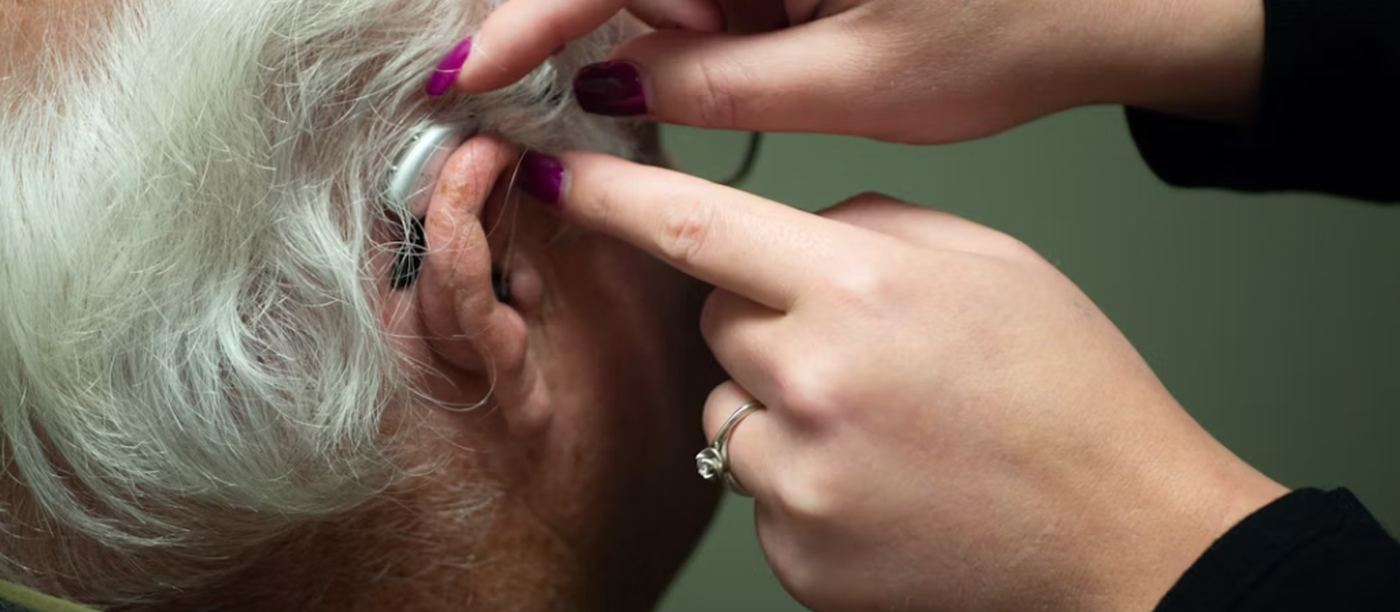 Health & AgingHearing Loss Is Gradual, Which Is Exactly Why It Gets MissedAge-related hearing loss usually affects both ears equally and arrives slowly enough that the person living with it adapts without noticing. The people around them notice first, and often say nothing for years.6 min read →
 SafetyThe Senses You Stop Noticing: How Vision and Hearing Quietly Raise Fall RiskFall prevention is usually discussed as a matter of rugs, handrails and lighting. The official guidance starts somewhere less obvious, with an eye test, an ear test and a look at the medicine cabinet.6 min read →
 SafetyStaying Connected at Home: How Families Improve Safety Without Taking OverThe worry is rarely about capability. It is about the hours nobody can account for.5 min read →
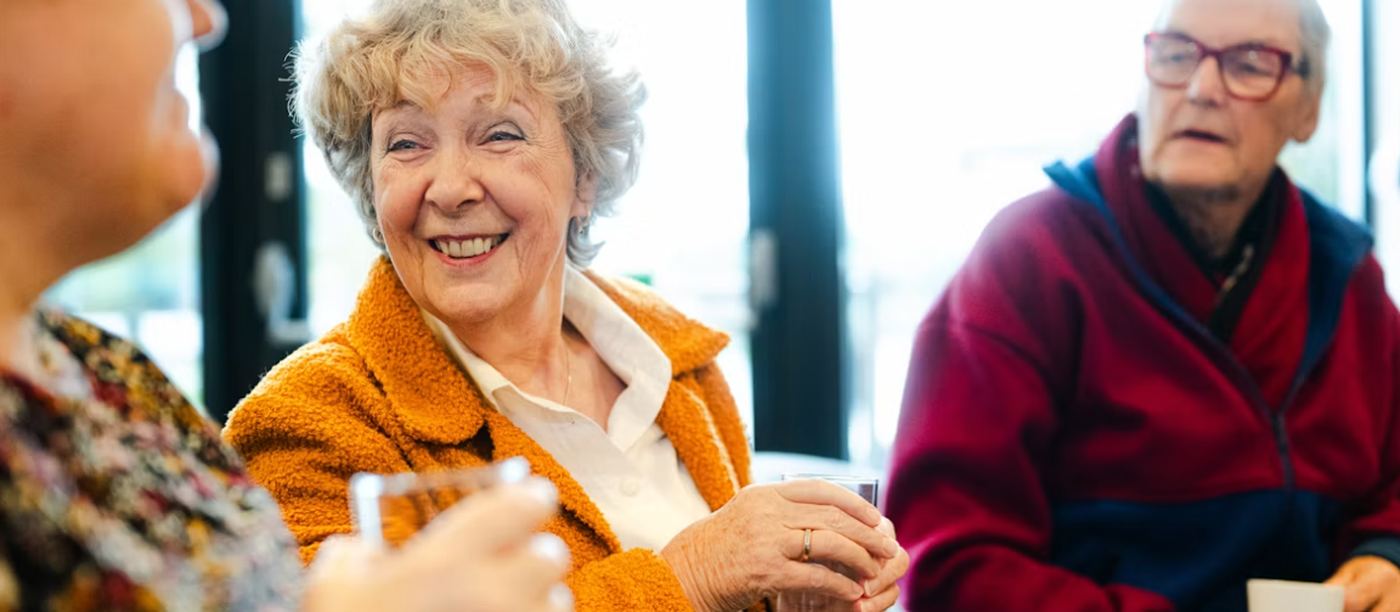 WellnessSocial Connection Is a Health Variable, Not a Nice-to-HaveLoneliness and social isolation are two different things, they do not always occur together, and both are associated with measurable effects on physical health. The distinction changes what actually helps.6 min read →
 Health & AgingWhy Lighting Matters More Than We Think as We Get OlderThe eye changes long before anyone calls it a problem. Most homes are lit for the person who moved in, not for the person living there now.5 min read →
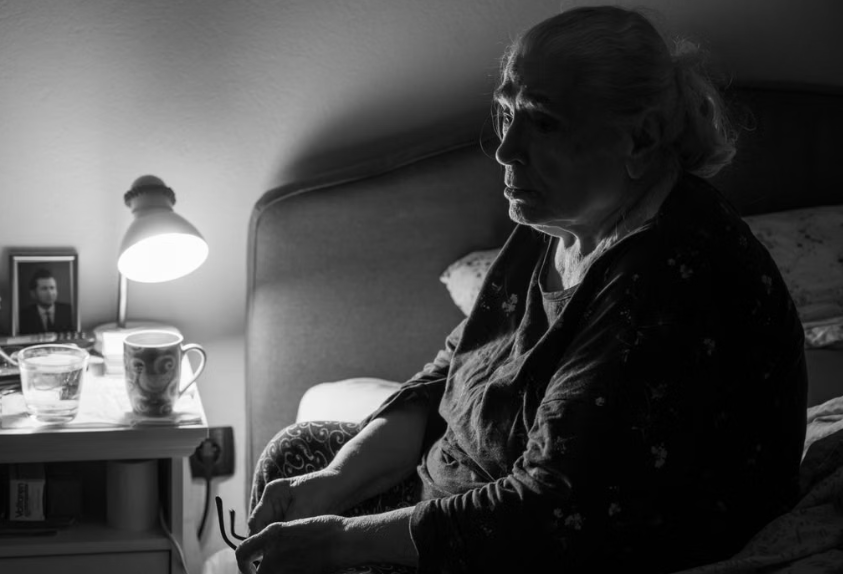 Health & AgingNighttime Mobility and Fall Prevention: Small Changes That Make a DifferenceGetting out of bed is one of the least considered movements of the day, and one of the least stable.6 min read →
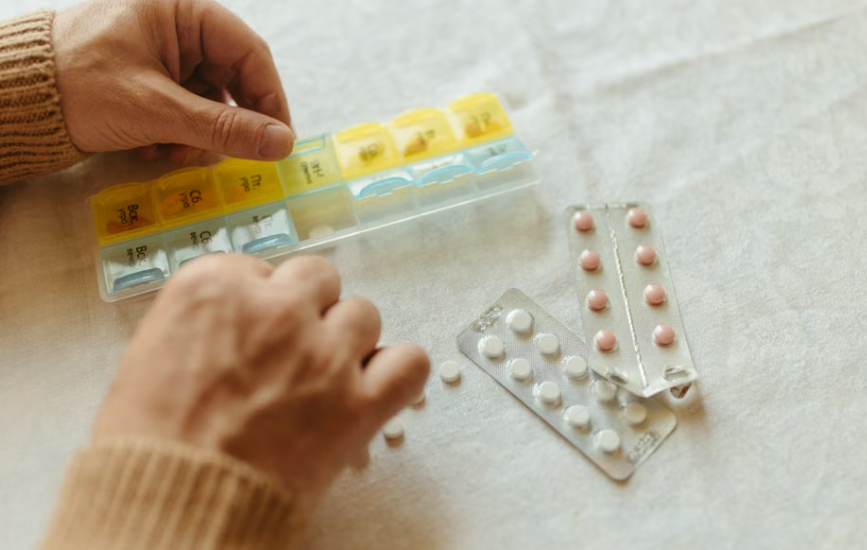 Daily LivingThe Simplest Fix for “Did I Take It?” Is Being Able to See the AnswerElectronic aids get the attention, but for many households the useful change is more basic: a routine you can check with your eyes instead of your memory.5 min read →
A short, useful letter on aging well at home
One article a fortnight on health, safety and daily living, with the sources attached. No spam, unsubscribe anytime.
An independent publication covering health, safety and daily living for older adults and the people who care for them. We do not sell products and we are not owned by anyone who does.
This content is for informational purposes only and is not intended to replace professional medical advice, diagnosis or treatment. Always speak to a qualified health professional about your own situation. If you think you are having a medical emergency, call your local emergency number.
This site is supported by display advertising. Advertisers have no involvement in what we cover or what we conclude, and no advertiser sees an article before it is published.
Editorial policy