Thirst Fades Before the Need Does: Hydration After 65
The signal that tells you to drink gets quieter with age, while the body’s margin for error gets narrower. Both things happen at once, and neither announces itself.
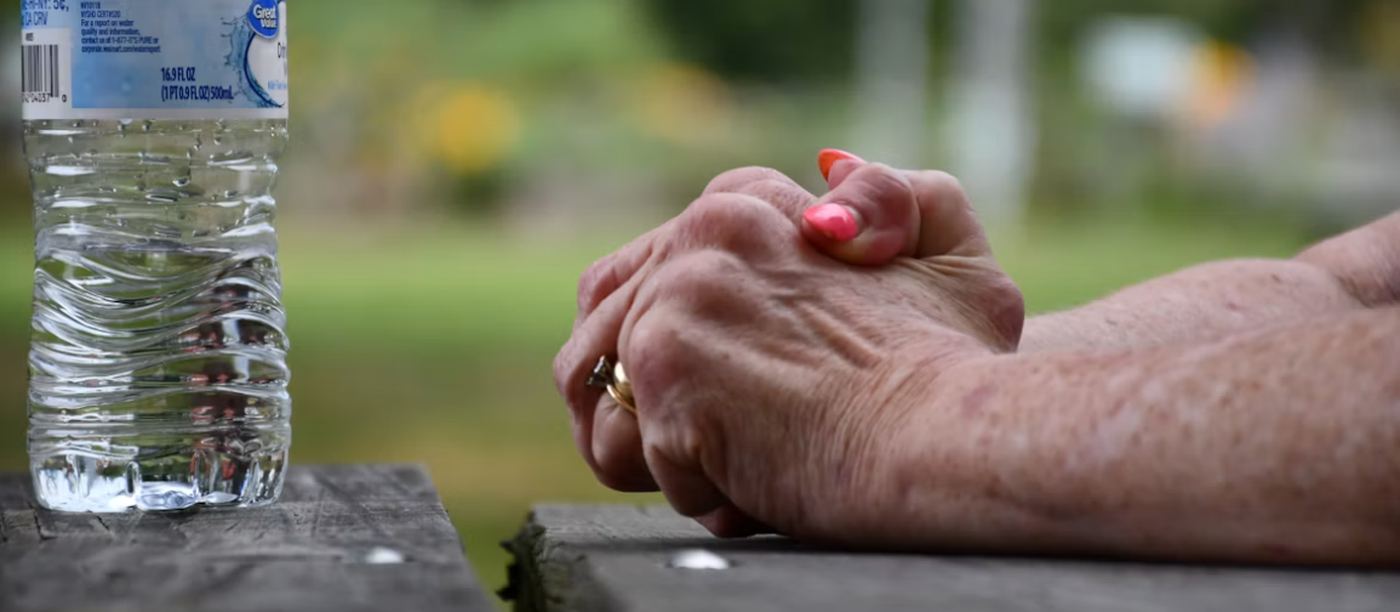
Dehydration rarely arrives as an event. It arrives as a slightly foggier afternoon, a headache that is blamed on the weather, a stumble on the way to the kitchen that gets described later as clumsiness.
The reason it goes unnoticed is that the warning system itself is what changes.
The thirst signal weakens
Thirst is a prompt, not a measurement. It fires when the body has already begun to run short. With age that prompt becomes fainter: in one comparison, healthy older participants deprived of water for 24 hours reported less thirst and less mouth dryness than younger participants did under the same conditions [2].
Several other changes stack on top of it. Total body water is lower in older adults, so the same fluid loss represents a larger proportion of the reserve. Kidney function tends to decline, which means more water leaves in urine. Muscle mass falls, and muscle is where a good deal of the body’s water is held [2].
The result is a narrower margin defended by a quieter alarm.
What it actually costs
The consequences are not limited to feeling thirsty. Dehydration has been linked to urinary tract infections, heat-related illness, kidney problems and blood clot complications, and because it affects the function of cells throughout the body it can reduce the ability to fight infection and to heal [1].
There is also a mechanical consequence that matters in the home. Tiredness and poor coordination are among the effects of being short on fluids, and both raise the odds of a fall [1]. A great deal of what gets attributed to age is, some of the time, attributable to a glass of water not drunk six hours earlier.
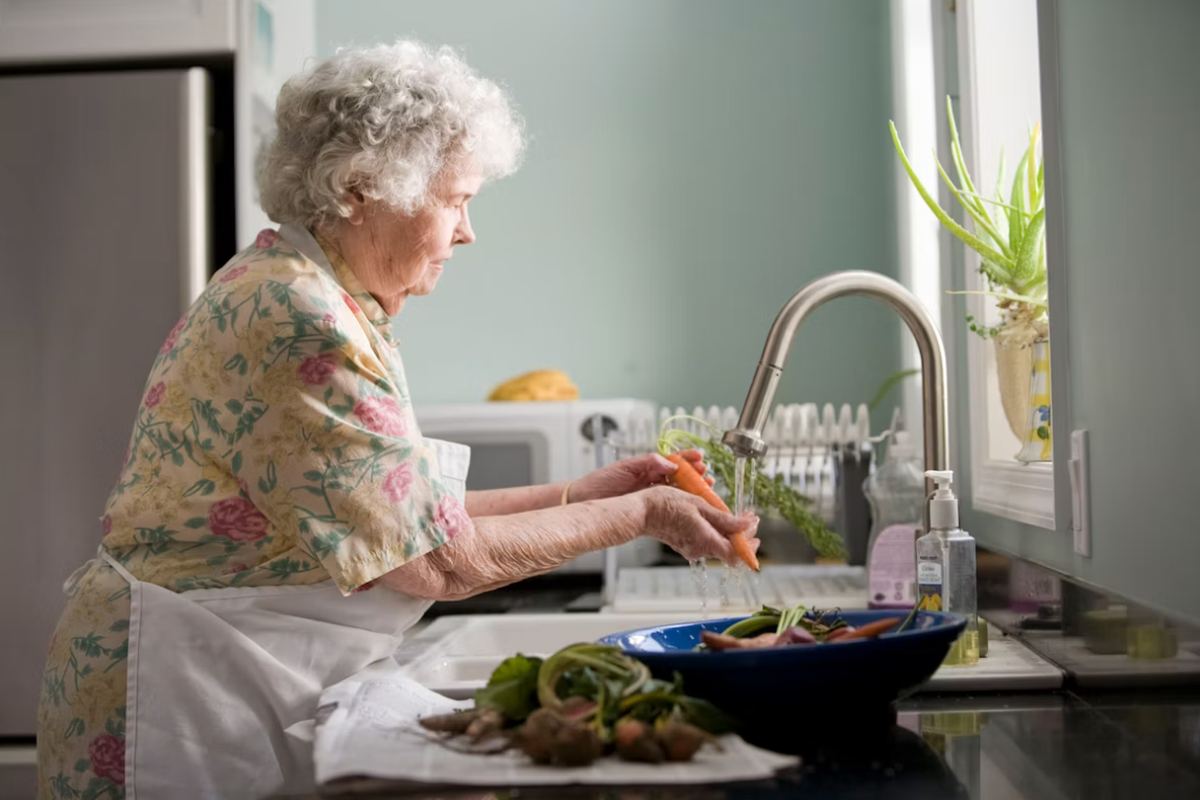
Routines that work better than remembering
The useful reframe is the same one that applies to medication schedules: stop asking someone to remember, and change what is in front of them instead.
Attach fluids to fixed points, not to thirst
A glass with each meal, one with medicines, one on waking and one mid-afternoon covers most of a day’s requirement without anyone counting.
Make the container the measurement
A bottle or jug filled once in the morning turns an abstract target into something visible. What is left at four o’clock tells you where you stand.
Keep a drink within arm’s reach of where the day is spent
Fluid intake drops when getting a drink requires standing up, walking and carrying something back. Distance is a bigger factor than willpower.
Count food as fluid
Soups, fruit, yoghurt and vegetables with high water content contribute meaningfully, which matters for anyone who dislikes drinking plain water.
Raise intake before and during hot weather
Heat is the condition under which a narrow margin becomes a hospital admission, and the adjustment has to be made in advance rather than in response.
The reason people drink less on purpose
It is worth naming the most common cause of deliberate underdrinking, because it is rarely volunteered: worry about needing the bathroom, particularly at night or away from home.
That worry is reasonable and the response to it is not. Restricting fluids to avoid urgency tends to concentrate urine, which irritates the bladder and can make urgency worse rather than better. It is a problem worth raising with a doctor or continence nurse instead of solving privately with a smaller glass.
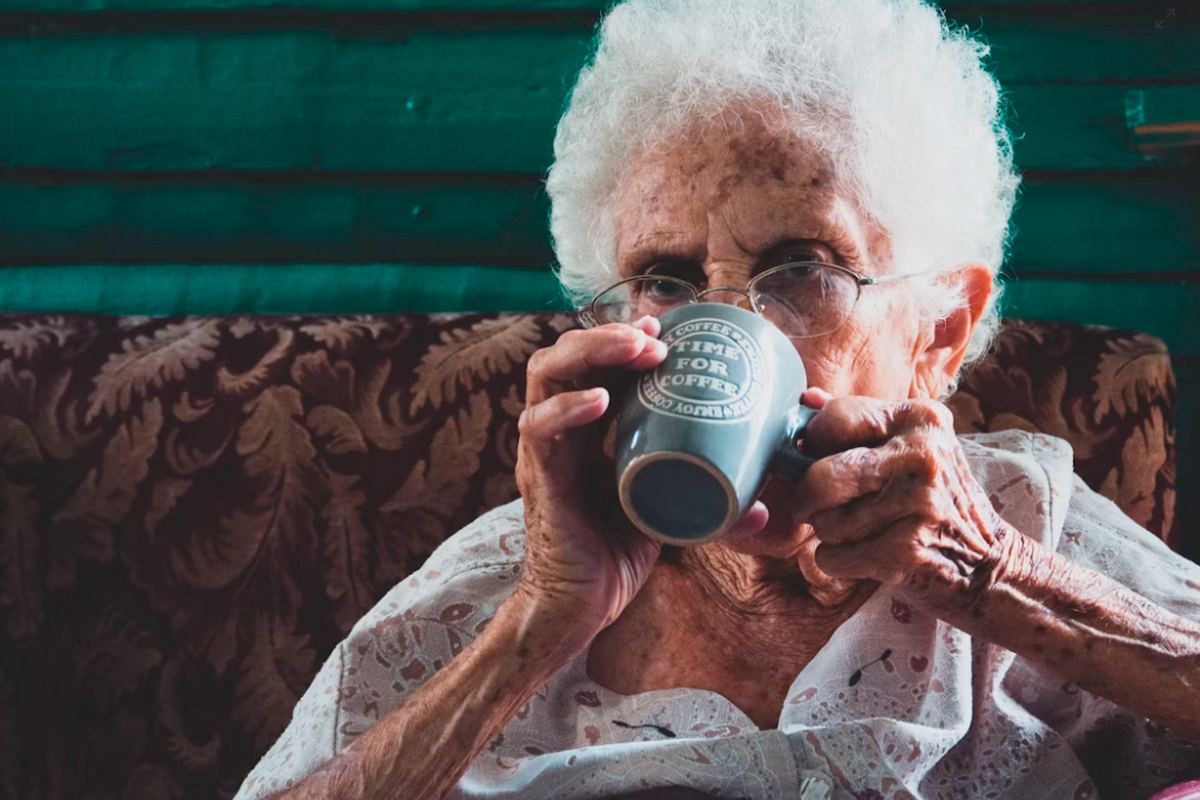
When it stops being a routine question
Confusion or unusual drowsiness
New disorientation in an older adult can be a sign of dehydration or of an infection, and it warrants a same-day call rather than a wait-and-see.
Very dark urine or none for hours
A straightforward signal that intake has fallen well behind output.
Dizziness on standing
Worth mentioning to a doctor, particularly alongside blood pressure or diuretic medicines.
Fluid restriction on medical advice
Some heart and kidney conditions come with a prescribed limit. Those instructions override general guidance, always.
For most households none of this requires a plan. It requires a jug on the table and a habit of filling it in the morning.
Sources
- 1How to Stay Hydrated: A Guide for Older AdultsNational Council on Aging
- 2Hydration and older adults: Why water matters more as you ageUCLA Health
- 3Six Tips To Help Prevent FallsNational Institute on Aging (NIH)
Editorial review based on current public health and medical literature. This is not a personal recommendation from a named clinician.
Informational only. Speak to a qualified health professional about your own situation.
A short, useful letter on aging well at home
One article a fortnight on health, safety and daily living, with the sources attached. No spam, unsubscribe anytime.
An independent publication covering health, safety and daily living for older adults and the people who care for them. We do not sell products and we are not owned by anyone who does.
This content is for informational purposes only and is not intended to replace professional medical advice, diagnosis or treatment. Always speak to a qualified health professional about your own situation. If you think you are having a medical emergency, call your local emergency number.
This site is supported by display advertising. Advertisers have no involvement in what we cover or what we conclude, and no advertiser sees an article before it is published.
Editorial policy