Staying Connected at Home: How Families Improve Safety Without Taking Over
The worry is rarely about capability. It is about the hours nobody can account for.

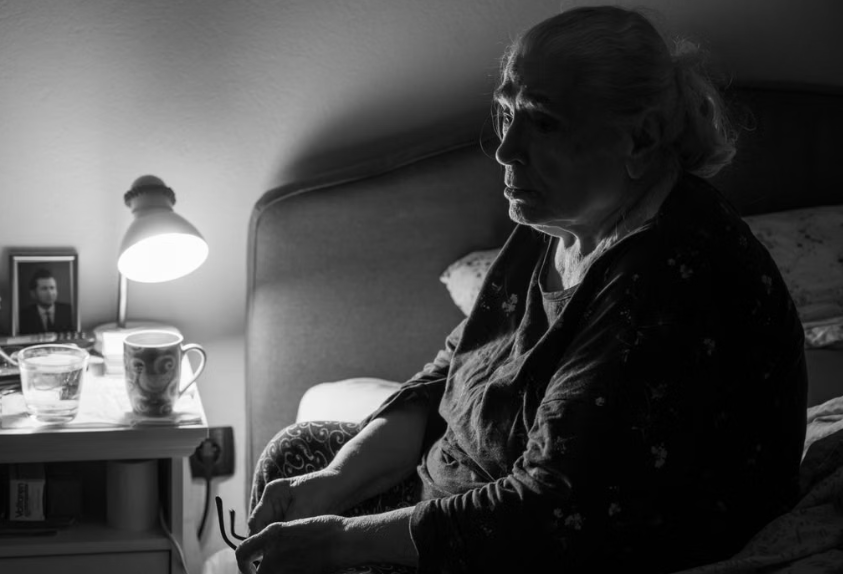
A neighbour once described her own fall in the hallway as “embarrassing more than anything” — she was fine, she got up, she made tea. What stayed with her was the ten minutes on the floor deciding whether she could.
Living alone works well for a great many people. The part that needs designing is not the day. It is the exception.
What the numbers say
Falls are the leading cause of injury for adults 65 and older, and about one in four older adults reports a fall each year [1]. Roughly 37% of those who fall report an injury that required medical treatment or restricted their activity for at least a day [1].
The CDC also reports that fewer than half of older adults who fall mention it to their doctor [2] — so the household often absorbs the incident privately, and adapts by worrying.
In practical terms, the variable a family can actually influence is how quickly a problem becomes known to someone else.
What health organisations recommend
The published guidance is mostly about arranging the home so that help is never far away.
Keep a phone within reach
The NIA's room-by-room advice includes placing a landline or well-charged phone near the bed [3].
Keep a flashlight by the bed
Same list — for power cuts and for getting up in the dark [3].
Fix the lighting and the floor
Night lights, secured carpets and grab bars in the bathroom are the NIA's headline home changes [4].
Tell a clinician about falls
Most falls go unreported, and reporting is what triggers a risk assessment [2].
Keep everyday items within easy reach
The NIA recommends storing frequently used things at waist level to avoid stretching and climbing [3].
Small changes, meaningful difference
One practical consideration is making the call for help independent of where the phone happens to be. Bathrooms, gardens and stairwells are exactly the places a handset is not.
The second is making the alert land somewhere useful: a sound in the house, and a notification on a relative's phone.
Wireless call buttons paired to a plug-in receiver are one example of this kind of arrangement.
Other practical considerations
A daily check-in
One agreed call at one agreed time, so silence means something specific.
A phone in every room used most
Cheap, and it removes the walk to the hallway.
A neighbour with a key
Often the fastest response available, and the least technical.
A monitored alert service
Professional response, monthly cost — appropriate where nobody nearby can respond.
Cover the exception, not the day
Living independently at home is, for most people, the right arrangement. What makes it sustainable is not supervision but a short path to help when something unusual happens.
One button, in a place it can actually be pressed from, covers a surprising amount of that.
Sources
- 1 Older Adult Falls Data CDC, National Center for Injury Prevention and Control
- 2 Facts About Falls CDC, Older Adult Fall Prevention
- 3 Preventing Falls at Home: Room by Room National Institute on Aging (NIH)
- 4 Home Safety Tips for Older Adults National Institute on Aging (NIH)
Editorial review based on current public health and medical literature. This is not a personal recommendation from a named clinician.
Informational only. Speak to a qualified health professional about your own situation.
A short, useful letter on aging well at home
One article a fortnight on health, safety and daily living, with the sources attached. No spam, unsubscribe anytime.
An independent publication covering health, safety and daily living for older adults and the people who care for them. We do not sell products and we are not owned by anyone who does.
This content is for informational purposes only and is not intended to replace professional medical advice, diagnosis or treatment. Always speak to a qualified health professional about your own situation. If you think you are having a medical emergency, call your local emergency number.
This site is supported by display advertising. Advertisers have no involvement in what we cover or what we conclude, and no advertiser sees an article before it is published.
Editorial policy