Hearing Loss Is Gradual, Which Is Exactly Why It Gets Missed
Age-related hearing loss usually affects both ears equally and arrives slowly enough that the person living with it adapts without noticing. The people around them notice first, and often say nothing for years.
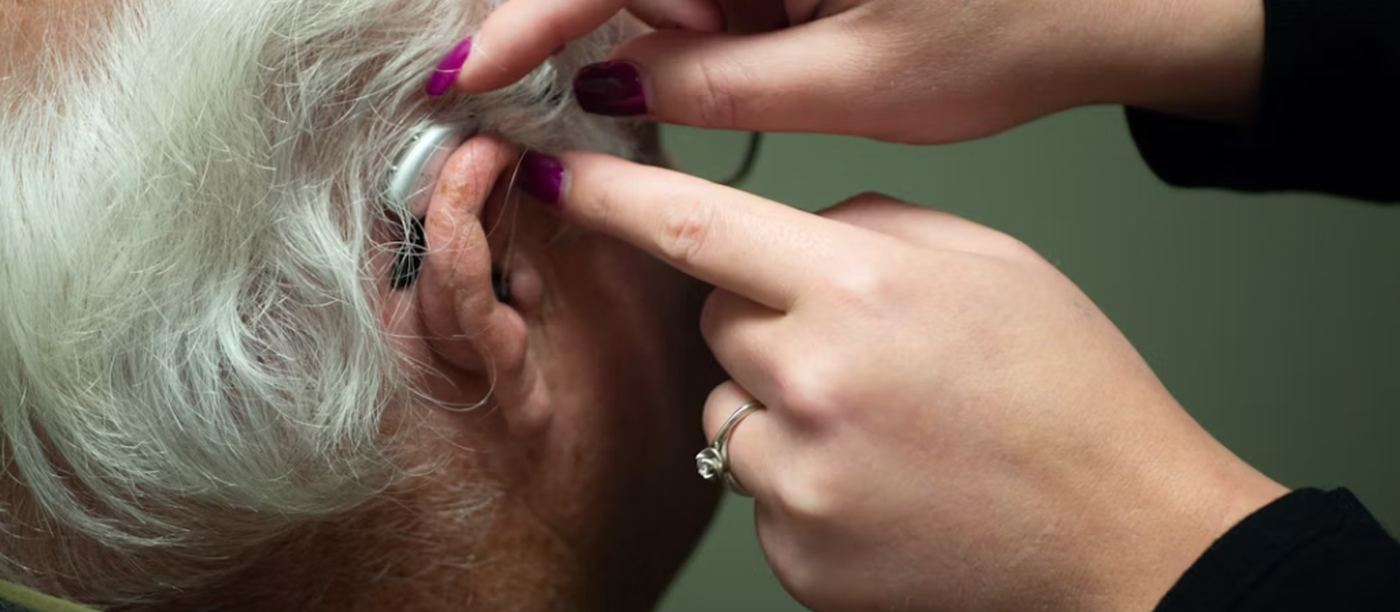
The first sign is almost never silence. It is a restaurant.
Conversation at a quiet kitchen table remains easy for years after conversation in a busy room has become work. That gap is characteristic, and it is one of the reasons age-related hearing loss goes unrecognised for so long.
What presbycusis is
Age-related hearing loss, called presbycusis, comes on gradually. It appears to run in families and may occur because of changes in the inner ear and the auditory nerve, which relays signals from the ear to the brain. It usually occurs in both ears, affecting them equally [1].
That symmetry matters. A loss in one ear is noticeable because there is a working ear to compare against. A matched loss in both offers no comparison, and the National Institute on Aging notes plainly that because the loss is gradual, people with presbycusis may not realise they have lost some of their ability to hear [1].
Tinnitus is common alongside it — usually described as ringing, but also as roaring, clicking, hissing or buzzing. It can affect one or both ears and is sometimes the first sign of hearing loss in older adults [1].
The cost is not only conversation
It is tempting to file hearing loss under inconvenience. The list of what becomes harder argues otherwise. Trouble hearing can make it hard to understand and follow a doctor’s advice, to respond to warnings, and to hear phones, doorbells and smoke alarms [2].
Every item on that list is a safety item, and two of them are the mechanisms a household relies on to know that something has gone wrong.
There is a social cost as well. The NIDCD notes that hearing loss can make it hard to enjoy talking with family and friends, leading to feelings of isolation [2]. Social isolation and loneliness are themselves associated with higher risks of heart disease, depression and cognitive decline [3], which makes untreated hearing loss a problem that spreads.
Why people wait
The change is too slow to notice
Adaptation happens at the same rate as the loss. Sitting closer, choosing quieter tables and asking for repetition all become habit rather than symptoms.
It gets blamed on other people
Mumbling, bad acoustics and background noise are the usual explanations, and each of them is occasionally true.
Hearing aids carry an association
Visible aging is a real deterrent, and it is worth weighing against the alternative of gradually withdrawing from conversation.
Nobody says anything
Families notice long before they mention it, usually out of a reasonable wish not to embarrass someone.
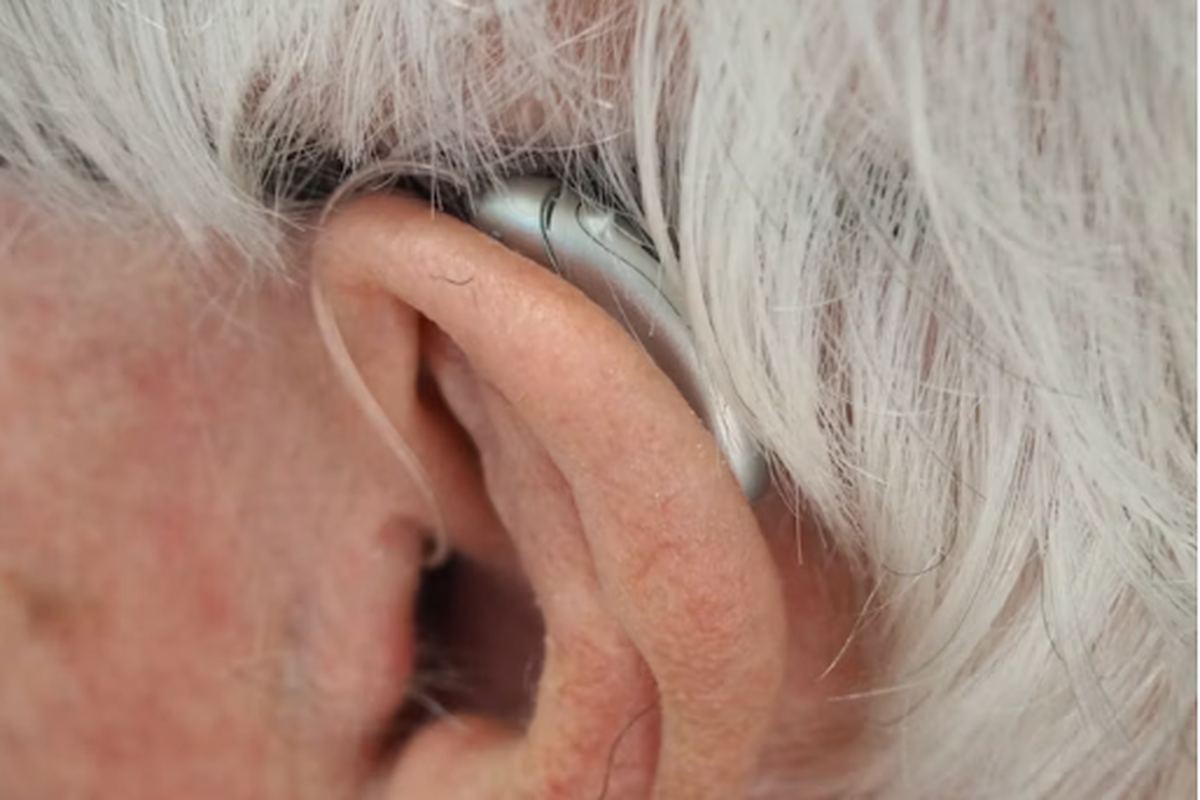
Questions worth asking honestly
Do you struggle in groups?
Difficulty in restaurants, meetings or family gatherings while one-to-one conversation stays easy.
Is the television louder than others want?
A running disagreement about volume is one of the most reliable early indicators.
Do consonants blur?
High-frequency sounds go first, which makes p, k, f, s and ch hard to distinguish and speech sound mumbled.
Is there ringing or buzzing?
Tinnitus is worth reporting whether or not hearing seems affected.
A hearing test is straightforward, non-invasive and available through a doctor or an audiologist. The NIA advises seeing a doctor if hearing loss is suspected rather than waiting for it to become undeniable [1].
The argument for going early is not vanity. It is that hearing is the channel through which most of the rest of daily life arrives.
Sources
- 1Hearing Loss: A Common Problem for Older AdultsNational Institute on Aging (NIH)
- 2Age-Related Hearing Loss (Presbycusis)National Institute on Deafness and Other Communication Disorders (NIH)
- 3Loneliness and Social Isolation — Tips for Staying ConnectedNational Institute on Aging (NIH)
Editorial review based on current public health and medical literature. This is not a personal recommendation from a named clinician.
Informational only. Speak to a qualified health professional about your own situation.
A short, useful letter on aging well at home
One article a fortnight on health, safety and daily living, with the sources attached. No spam, unsubscribe anytime.
An independent publication covering health, safety and daily living for older adults and the people who care for them. We do not sell products and we are not owned by anyone who does.
This content is for informational purposes only and is not intended to replace professional medical advice, diagnosis or treatment. Always speak to a qualified health professional about your own situation. If you think you are having a medical emergency, call your local emergency number.
This site is supported by display advertising. Advertisers have no involvement in what we cover or what we conclude, and no advertiser sees an article before it is published.
Editorial policy