Social Connection Is a Health Variable, Not a Nice-to-Have
Loneliness and social isolation are two different things, they do not always occur together, and both are associated with measurable effects on physical health. The distinction changes what actually helps.
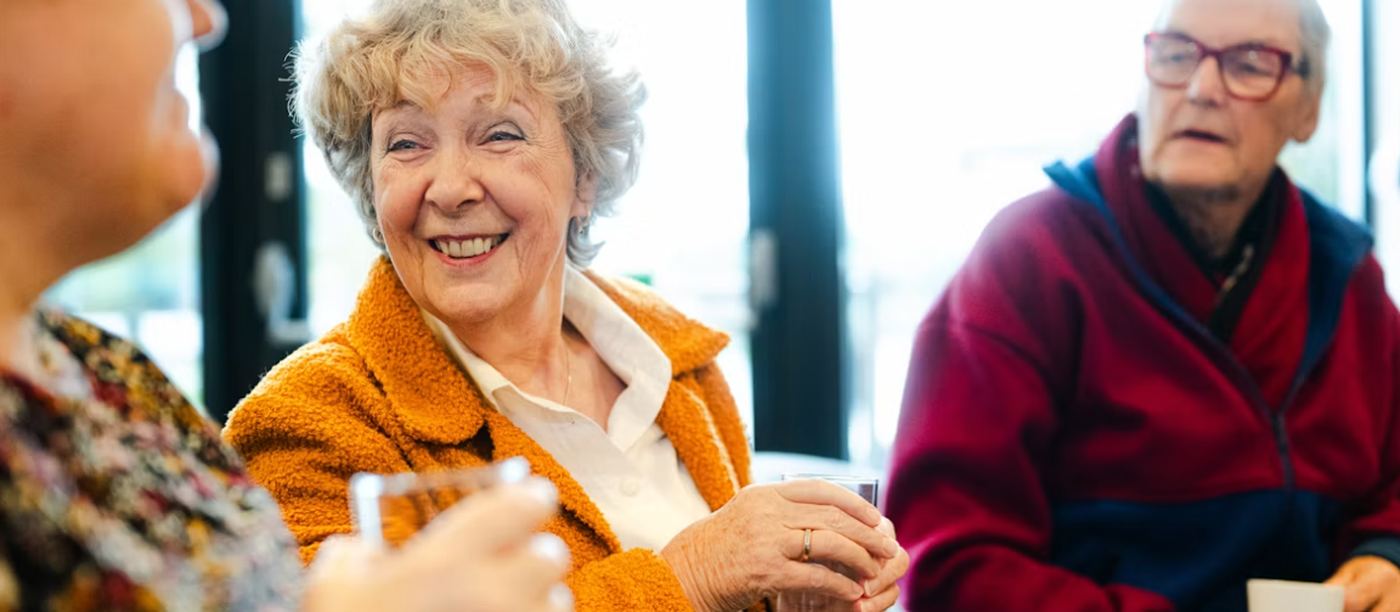
Social connection sits in an awkward place in health conversations. It is treated as a quality-of-life matter, mentioned kindly and last, after the medicines and the blood pressure.
The evidence suggests it belongs earlier in the list.
Two different things
Loneliness is a feeling: the sense of being alone, regardless of how much contact a person actually has. Social isolation is a circumstance: a lack of social connections. One can lead to the other, but people can be isolated without feeling lonely, and can feel lonely surrounded by family and friends [1].
This distinction is not academic. About 28 percent of older adults in the United States live alone, and many of them are neither lonely nor isolated [2]. Aiming an intervention at the wrong one is why a full calendar sometimes fails to help.
What the association looks like
Studies show that loneliness and social isolation are associated with higher risks of health problems including heart disease, depression and cognitive decline. Adults who are lonely or socially isolated tend to be less healthy, have longer hospital stays, are readmitted to hospital more often, and are more likely to die earlier than those with meaningful and supportive social connections [1].
The relationship runs in both directions. Being in poor health makes a person more likely to become socially isolated or lonely, and being isolated or lonely appears to worsen health [1]. That loop is the reason the problem tends to accelerate once it starts.
It is worth being careful about the strength of the claim. These are associations drawn from population research, not a demonstrated one-way cause. What is clear is that they are consistent, and large enough that researchers treat them as risk factors for poor aging outcomes [2].
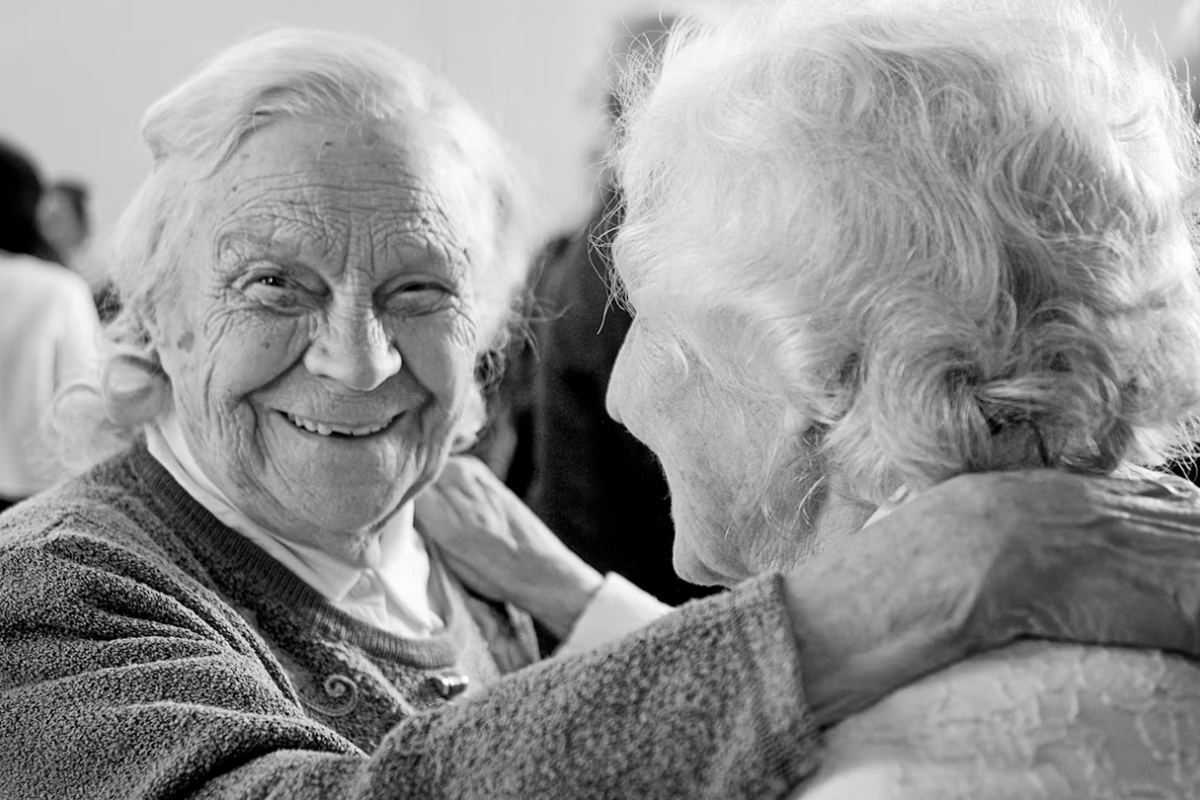
Why risk rises with age specifically
The NIA points to a cluster of causes rather than a single one: changes in health and social connections that come with growing older, hearing, vision and memory loss, disability, trouble getting around, and the loss of family and friends [1].
Read that list again and notice how many items are practical rather than emotional. Several of them are addressable.
Fix the sensory barriers first
Untreated hearing loss makes group conversation exhausting, and people withdraw from what exhausts them. A hearing test is sometimes a social intervention.
Fix the transport problem
A great deal of isolation is a logistics failure. Community transport schemes, lifts arranged in advance and errands scheduled with someone else remove the obstacle rather than the wish.
Choose recurring over occasional
A weekly fixture requires one decision. Occasional plans require a new decision every time, and the decision gets harder as isolation deepens.
Use activity as the container
Volunteering, classes, a shared hobby or a group with a purpose carry the conversation, which is easier for most people than conversation as the purpose.
Keep video calls short and regular
Frequency does more than duration. A brief call several times a week is more sustaining than a long one every month.
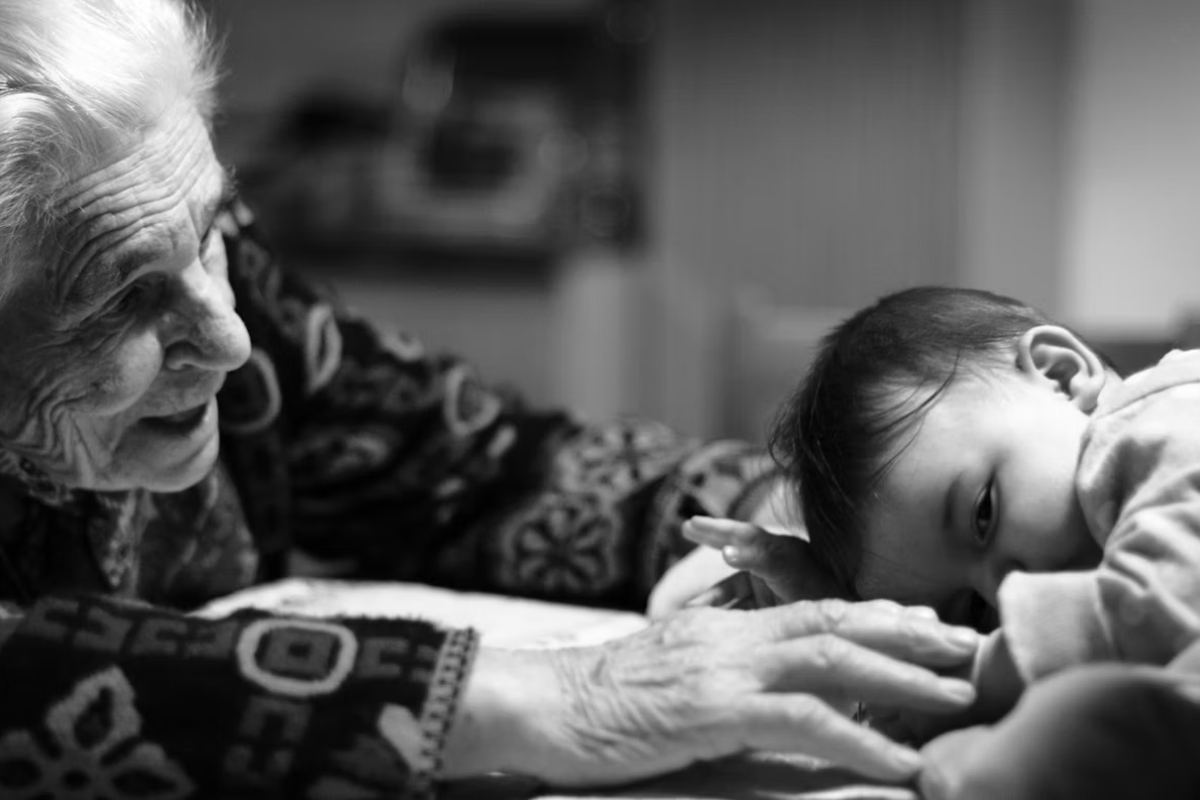
For families
Ask about feeling, not frequency
“Who have you spoken to this week” measures contact. It does not measure whether the person felt connected by it.
Watch for withdrawal from things once enjoyed
Dropping activities is often the first visible sign, and it is easily read as preference.
Loneliness is not a character failing
It is treated as a health risk factor in the research literature, and it responds to circumstances rather than to willpower.
Raise it with the doctor
Isolation and loneliness are a legitimate item for an appointment, and can be a signal of depression that deserves assessment.
Connection is one of the few health variables that improves several others at once, and the only one that also happens to be the point of the whole exercise.
Sources
- 1Loneliness and Social Isolation — Tips for Staying ConnectedNational Institute on Aging (NIH)
- 2Social isolation, loneliness in older people pose health risksNational Institute on Aging (NIH)
- 3Six Tips To Help Prevent FallsNational Institute on Aging (NIH)
Editorial review based on current public health and medical literature. This is not a personal recommendation from a named clinician.
Informational only. Speak to a qualified health professional about your own situation.
A short, useful letter on aging well at home
One article a fortnight on health, safety and daily living, with the sources attached. No spam, unsubscribe anytime.
An independent publication covering health, safety and daily living for older adults and the people who care for them. We do not sell products and we are not owned by anyone who does.
This content is for informational purposes only and is not intended to replace professional medical advice, diagnosis or treatment. Always speak to a qualified health professional about your own situation. If you think you are having a medical emergency, call your local emergency number.
This site is supported by display advertising. Advertisers have no involvement in what we cover or what we conclude, and no advertiser sees an article before it is published.
Editorial policy